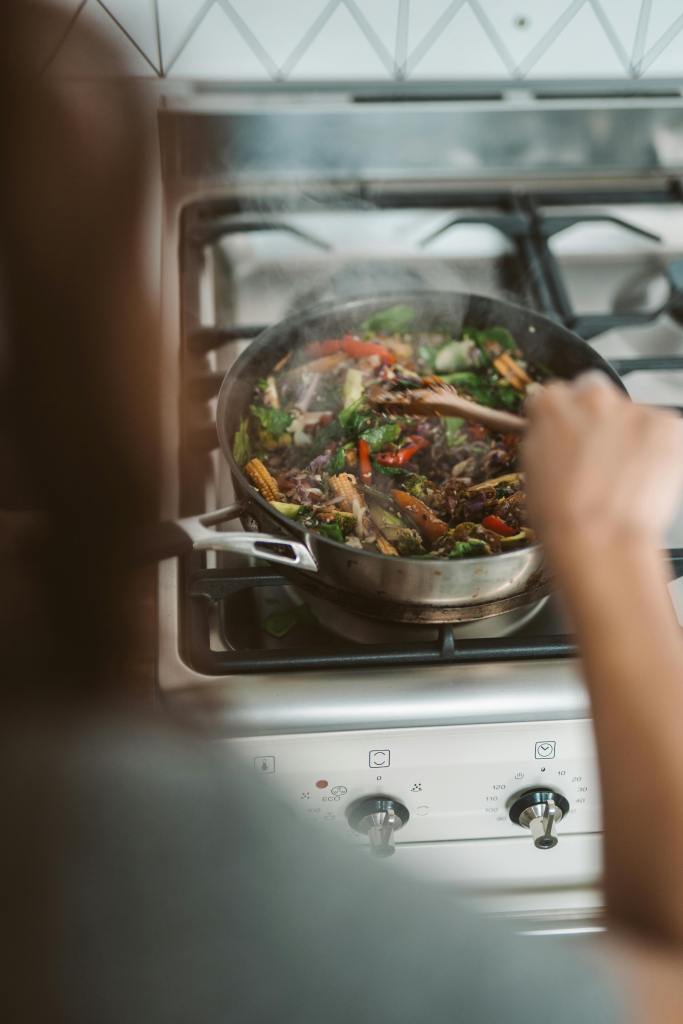
Cooking doesn’t need to be some high-pressure, flawless event. Forget about all the so-called “rules” and just focus on feeding yourself. No need to stress about measurements, knife skills, or whether it looks like it came from a food magazine. The kitchen is your playground, your domain, and the goal is to make something that actually tastes good—without the unnecessary stress.
Step 1: Throw Out the Recipe
Recipes are guidelines, not gospel. If you’re constantly worried about sticking to a recipe step-by-step, you’re missing out. Open your fridge. What do you have? Leftover chicken from last night’s dinner? Perfect. Maybe you’ve got half a bag of carrots and some frozen peas? Awesome. Don’t get bogged down by the “perfect” recipe. Cooking is about improvising and making the ingredients in front of you work. But—and here’s the kicker—there are rules. Not all of them are flexible. If you put cold meat in a hot pan, it’ll stick. If you don’t heat up your pan first, you’re not getting that crisp texture you crave. So while you don’t need to follow someone else’s instructions to the letter, there are basic guidelines that you just can’t mess with if you want your dish to actually come together.
The secret to cooking without overthinking it is having the foundation, the rules, that give you control. You need to know the basics, and once you’ve got those, you can play. That’s where you get to make it yours—by adding your own flair, adjusting the flavors, and experimenting. But start with the basics.
Step 2: Embrace the Mess
So, you spilled something. The onion slices aren’t uniform. The pasta’s overcooked. Guess what? Who cares? The kitchen isn’t some perfectly clean space—it’s where you create and experiment. Cooking doesn’t have to be neat and tidy. If you wait for everything to be perfect, you’ll never get started. It’s not about how your food looks (unless you’re plating it for a restaurant review)—it’s about whether it tastes good.
For example, when I make stir-fries, I’m tossing whatever vegetables I have on hand in the pan. Carrots, bell peppers, broccoli—who cares if they’re cut “right”? If you focus on getting everything perfect, you’ll stress yourself out before you even taste the damn thing. It’s about using the ingredients available to you, adjusting as you go, and creating something satisfying. That’s what cooking is—problem-solving and adapting, not sticking to a strict guideline.
Step 3: Don’t Be Afraid to Screw Up
Listen, I’ve overcooked pasta, undercooked chicken, and ruined enough dishes to know that mistakes don’t make you a bad cook. They just make you human. Every time something goes wrong, it’s an opportunity to learn. If your pasta’s soggy, figure out why next time. If your soup turns out too salty, learn how to fix it. And if you forget to stir your rice and it burns on the bottom? That’s not the end of the world. It’s just a chance to learn. It’s okay to screw up. In fact, that’s how you get better. The key is not to give up—keep cooking, keep experimenting, and keep learning from the things that didn’t turn out quite right.
Cooking is a journey. Just because your dish isn’t Instagram-ready doesn’t mean it’s a failure. It’s a lesson. And that’s where the fun is. If everything turned out perfectly every time, where’s the challenge? Where’s the excitement in that?
Step 4: Enjoy What You’re Doing
Cooking should be fun. There’s something liberating about taking control in the kitchen. You can set your own rhythm, decide how much seasoning to add, and pick the flavors that speak to you. You’re not trying to impress anyone. The goal is to feed yourself and enjoy the process. So what if you’re not chopping the onions like a professional chef? So what if the kitchen’s a mess? At least you’re eating a meal that’s yours. That’s the win.
If it’s a little messy, if you didn’t follow the recipe exactly, that’s fine. You’re here to make it work for you, not to meet some external standard. And when it comes down to it, that’s the best part of cooking. It’s yours to control. So stop stressing about the “rules” of cooking being perfect and focus on what works for you.
What’s the messiest meal you’ve ever made? Did it turn out surprisingly good, or was it a disaster? Let’s hear about your kitchen adventures in the comments. Or, if you want to talk about how you make your kitchen work for you, join me over on Facebook and let’s keep the conversation going!
 Fern and Fog
Leave a comment