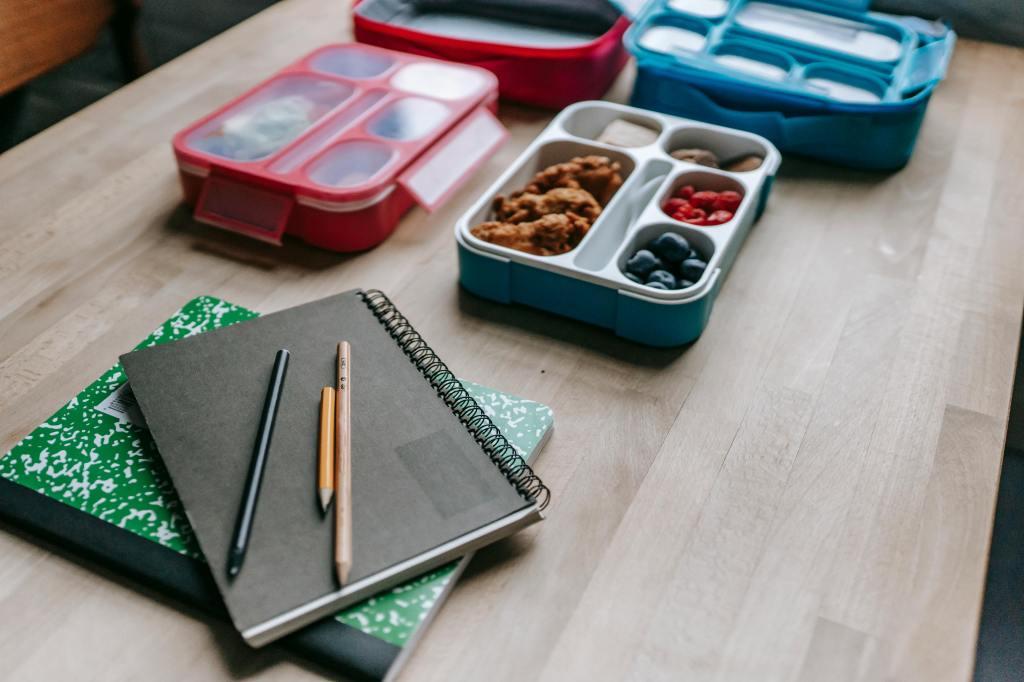
Let’s face it—dinnertime chaos is real, especially when you’re running a household and juggling a million other things. Meal planning can be a lifesaver. It saves time, money, and mental energy while keeping everyone fed and happy. Here’s how to get started, plus tips to make it work for you!
Step 1: Assess Your Week
Before you start planning, take a look at your week. Ask yourself:
- How many meals do I need to make?
- Are there nights when we need something fast or portable?
- Are there any special occasions to account for (like Taco Tuesday or pizza night)?
This step helps you avoid over-planning and wasting food.
Step 2: Build a Flexible Framework
The key to meal planning is flexibility. You don’t need a rigid schedule! Instead, create a framework:
- Meatless Monday: Veggie stir-fry, pasta primavera, or a hearty salad.
- Taco Tuesday: Chicken tacos, beef tacos, or taco bowls.
- Slow Cooker Wednesday: A soup, stew, or shredded BBQ chicken.
- Leftover Thursday: A night to clear out the fridge.
- Fun Friday: Pizza, burgers, or breakfast-for-dinner.
By sticking to themes, you reduce decision fatigue while keeping things fun.
Step 3: Make a Master Ingredient List
Once you’ve decided on meals for the week, jot down the ingredients you need. Keep it simple by categorizing:
- Proteins: Chicken, ground beef, beans, tofu.
- Veggies: Fresh or frozen—whatever fits your budget and time.
- Pantry Staples: Rice, pasta, canned tomatoes, broth.
- Snacks: String cheese, fruit, crackers.
Bonus tip: Save your past grocery lists to reuse later.
Step 4: Batch Cook When You Can
Batch cooking is a game-changer for busy weeks. Make extra of things like:
- Cooked chicken for salads, wraps, or pasta dishes.
- Soups and stews that freeze well.
- Cooked rice or pasta for easy sides.
Store them in the fridge or freezer for grab-and-go meals.
Step 5: Prep Ahead
A little prep can make a big difference. Spend an hour on Sunday:
- Chopping veggies for snacks or meals.
- Cooking a big batch of rice or quinoa.
- Marinating chicken or assembling casseroles.
Quick Meal Ideas
Here are a few easy meals you can plug into your plan:
- Taco Bowls: Rice, beans, taco-seasoned ground beef, cheese, and salsa.
- Sheet Pan Dinners: Chicken, veggies, and potatoes roasted together.
- Loaded Baked Potatoes: Top baked potatoes with chili, broccoli, and cheese.
- Breakfast-for-Dinner: Pancakes, eggs, and bacon.
Final Thoughts
Meal planning doesn’t have to be complicated. Start small—maybe plan 3 dinners this week—and build from there. The goal isn’t perfection; it’s making your life easier while keeping your family fed. And if you end up with a “cereal for dinner” night? That’s totally fine too.
 Fern and Fog
Leave a comment