So, you’re thinking about diving into the world of tarot? Awesome! Tarot isn’t just about predicting the future—it’s a fantastic tool to help you connect with your intuition, reflect on your emotions, and just get a better understanding of the energy around you. If you’re new to tarot, it can feel a little overwhelming at first, but trust me, you’ve got this! I’m here to break it down for you and get you started on this magical journey.
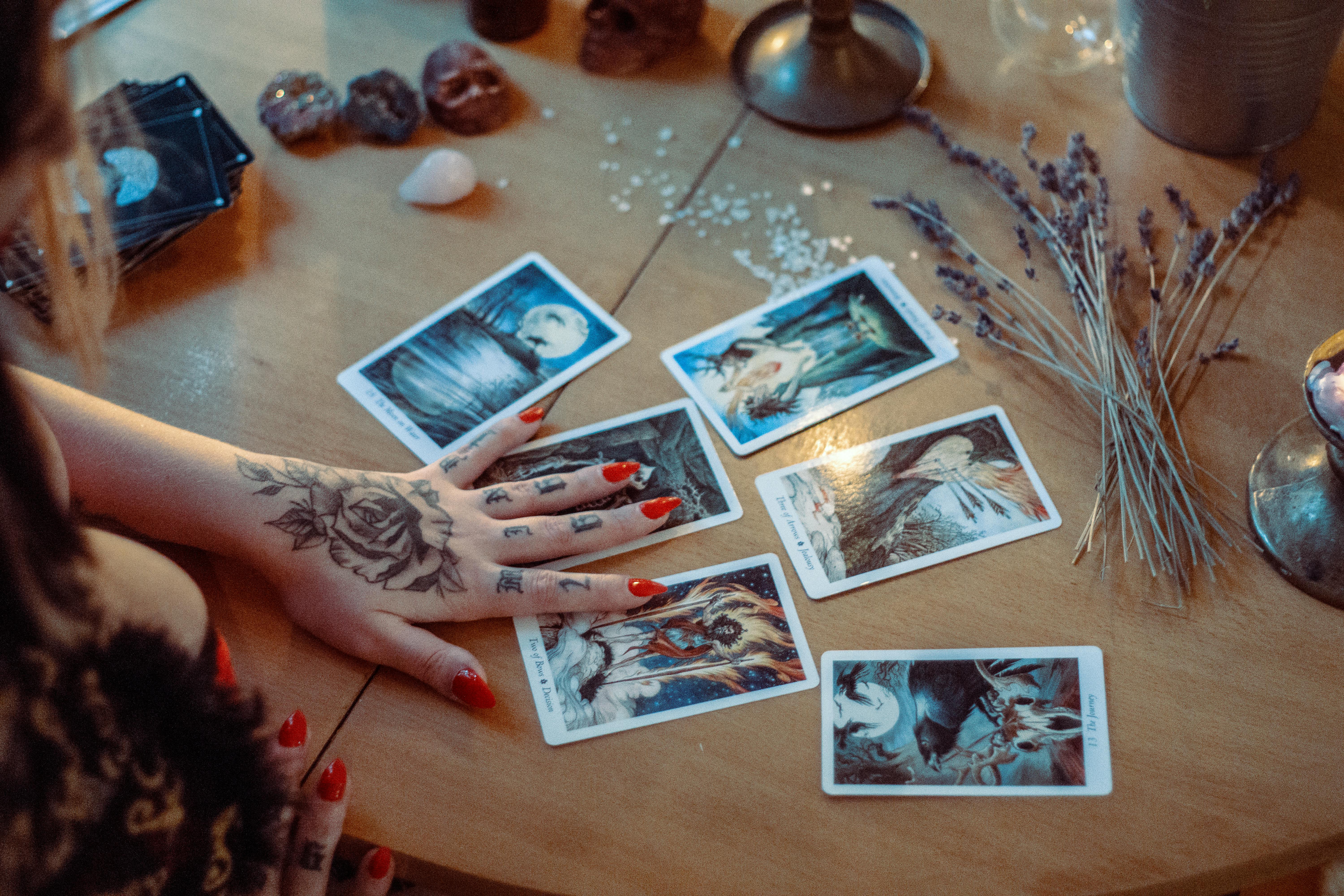
What is Tarot, Anyway?
At its core, tarot is a deck of 78 cards, each with its own story and symbolism. These cards are split into two parts:
- The Major Arcana (22 cards): These are the big players—the life lessons, themes, and soul-deep experiences.
- The Minor Arcana (56 cards): These are divided into four suits (Cups, Pentacles, Swords, and Wands) and they deal with the everyday stuff—emotions, career, relationships, and more.
It might seem like a lot, but trust me, once you start exploring, it all comes together. You don’t have to memorize everything at once—just take it one step at a time.
Step 1: Pick Your Deck
The first step in your tarot adventure? Picking a deck that feels right for you. There are SO many options out there, and each one has its own vibe. Don’t feel like you have to choose a “traditional” deck. The goal is to find one that you connect with. Some beginner-friendly options include:
- The Rider-Waite Tarot (the classic, and still super popular)
- The Light Seer’s Tarot (vibrant and modern, with a little extra spark)
- The Wild Unknown Tarot (for those who love nature and a bit of a minimalist vibe)
Spend some time looking through different decks and choose the one that gives you a little spark. You’ll know when you find it!
Step 2: Get to Know the Cards
Each card has its own story to tell, but you don’t have to memorize everything at once. Start with the basics:
- Major Arcana cards represent big life themes. Think of them like the plot twists in your own personal story.
- Minor Arcana cards focus on more everyday stuff, like your job, relationships, and day-to-day decisions.
Here’s a little cheat sheet to get you started:
- Cups: Emotions, love, and creativity
- Pentacles: Career, money, and the material world
- Swords: Intellect, thoughts, and conflict
- Wands: Passion, action, and inspiration
As you work with the cards, you’ll start to notice certain themes that keep popping up. Don’t worry if you don’t remember every card right away—this is a journey, not a race!
Step 3: Simple Spreads to Try
When you’re ready to start reading, don’t stress about doing some big complicated spread. Start small, and work your way up! Here are a couple of easy spreads that’ll get you going:
- The One-Card Pull
This is perfect for when you just need some quick clarity. Shuffle your deck, ask a question or set an intention, and pull a single card. What does it tell you? Reflect on the imagery, the symbolism, and how it connects to your question or current situation. - The Three-Card Spread
Once you’re feeling a little more confident, try this one:
- Card 1: Past—What influences have shaped the current moment?
- Card 2: Present—What’s going on right now?
- Card 3: Future—Where is this energy headed?
This spread helps tell a mini-story and gives you some helpful insight into the flow of your situation.
Step 4: Trust Your Intuition
Here’s the secret to tarot: there’s no “right” or “wrong” way to read the cards. Your intuition is key! The meanings of the cards can give you a framework, but the real magic happens when you tap into your own gut feelings about the cards. Trust what you feel, and let the cards guide you where they will.
Step 5: Journal Your Readings
One of the best ways to learn tarot is by keeping a journal. After each reading, jot down the cards you pulled, your impressions, and any insights that came up. Over time, you’ll start to see patterns, and you’ll be amazed at how your connection to the cards deepens.
Final Thoughts: Tarot is Your Journey
The best part about tarot is that it’s your personal journey. There’s no one right way to do it. Some people use tarot for guidance and insight, others use it for fun, and some even use it to create a deeper connection with their higher self. No matter how you choose to use it, remember that tarot is all about you and your intuition.
So, grab your deck, clear your mind, and dive in. Tarot isn’t something you “get” overnight—it’s a practice, a dance with your own energy, and an invitation to explore your inner world.
 Fern and Fog
Leave a comment